Service Scope

Title Title Title Title Title Title Title Title Title Title Title

Text Text Text Text Text Text Text Text Text Text Text Text Text Text Text Text Text Text Text Text Text Text Text Text Text Text Text Text Text Text Text Text Text Text Text Text Text Text Text Text Text Text

Text Text Text Text Text Text Text Text Text Text Text Text Text Text Text Text Text Text Text Text Text Text Text Text Text Text Text Text Text Text Text Text Text Text Text Text Text Text Text Text Text Text Text Text Text Text Text Text Text Text Text Text Text Text Text Text Text Text

Quick Link

12

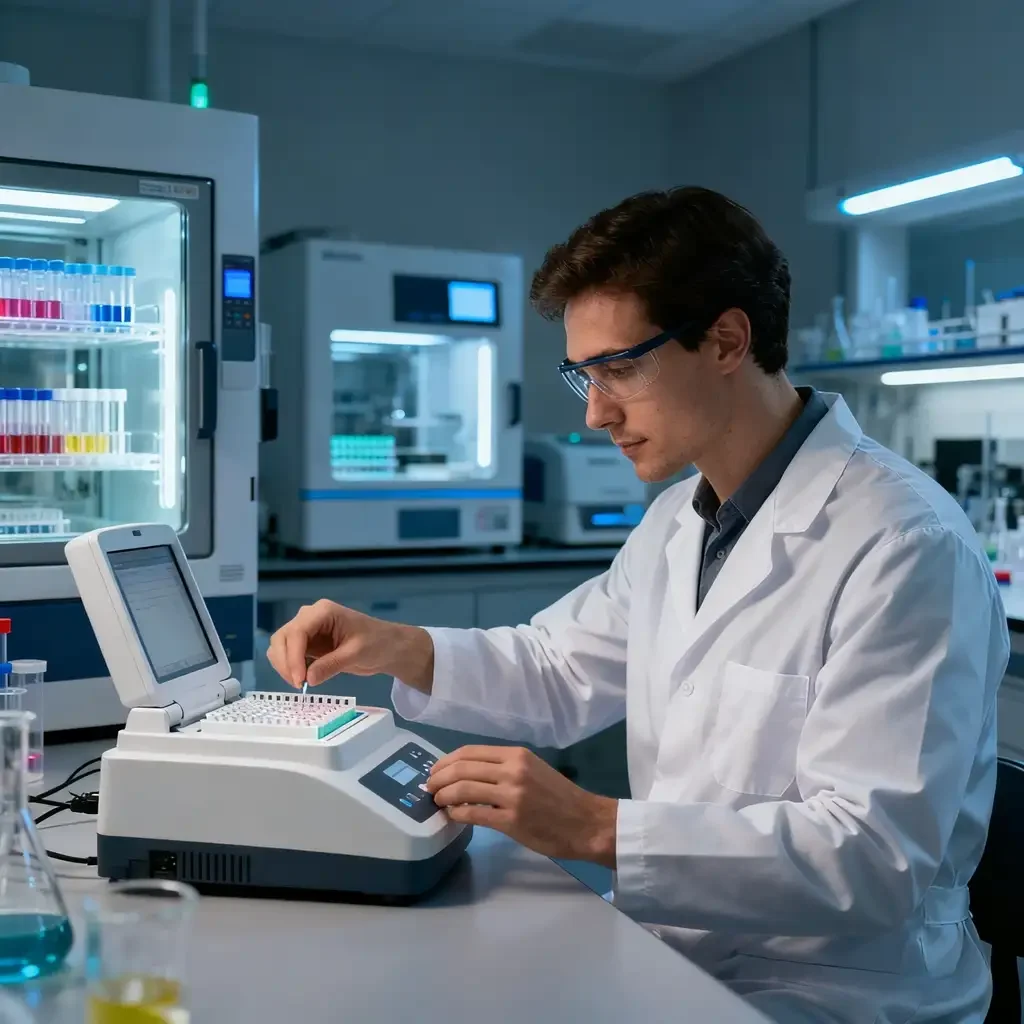
Biomedicine

The biopharmaceutical industry demands high precision and sterility for laboratory instruments. Biosafety cabinets offer aseptic R&D environments to avoid microbial contamination of bioactive substances; HPLC separates and detects drug active ingredients/impurities, ensuring purity meets pharmacopoeial standards. Lab-scale fermenters culture microbes (e.g., engineered bacteria) for biopharmaceutical raw materials (e.g., antibodies, vaccines); PCR instruments amplify specific gene fragments to support R&D and testing of gene-engineered drugs.

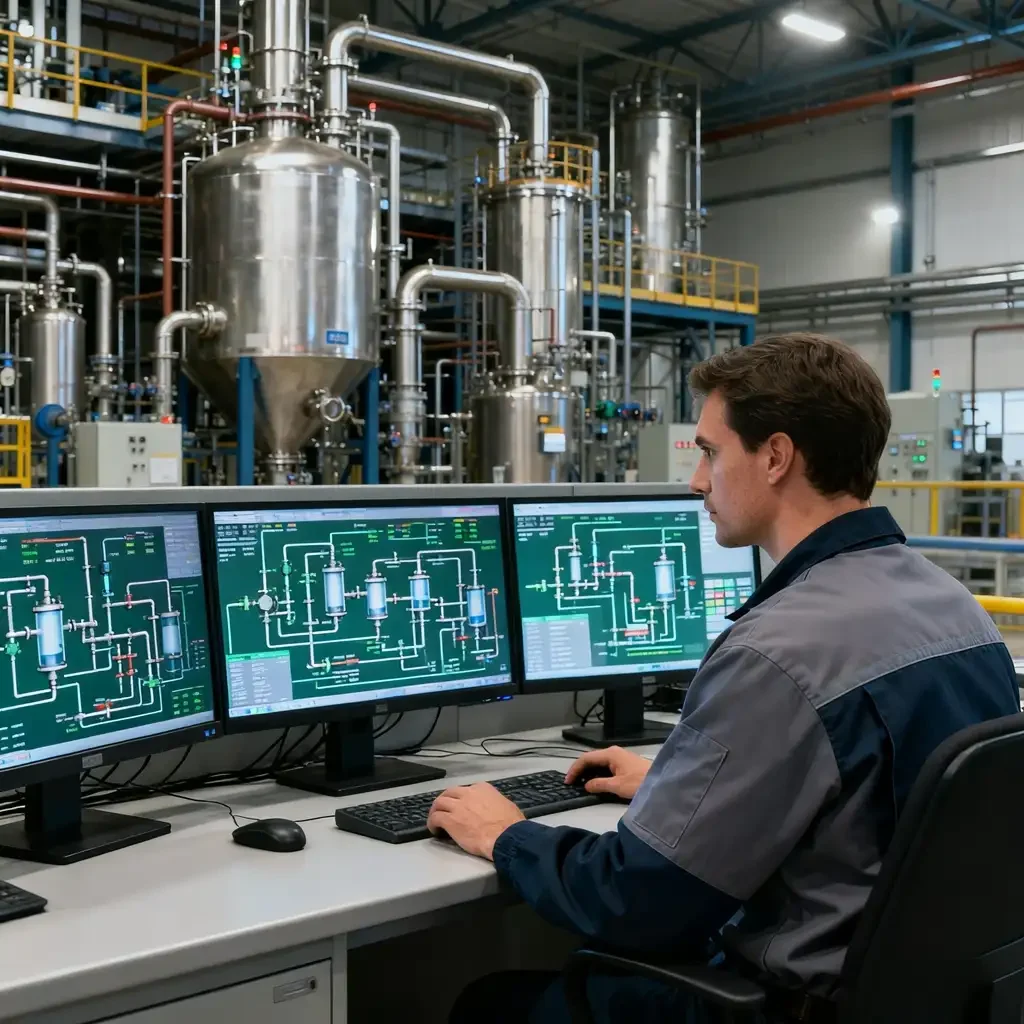
Chemical Industry & Chemistry

In the chemical industry, laboratory instruments are key for reaction research and product quality control. Small lab reactors simulate chemical reactions under different temperatures/pressures to develop efficient synthesis processes; Gas Chromatography-Mass Spectrometry (GC-MS) accurately detects product purity and impurities to meet quality standards. Additionally, pH meters and conductivity meters real-time monitor reaction parameters, helping grasp reaction kinetics and optimize conditions for higher efficiency.

remove.photos-removed-background (3)
remove.photos-removed-background (2)

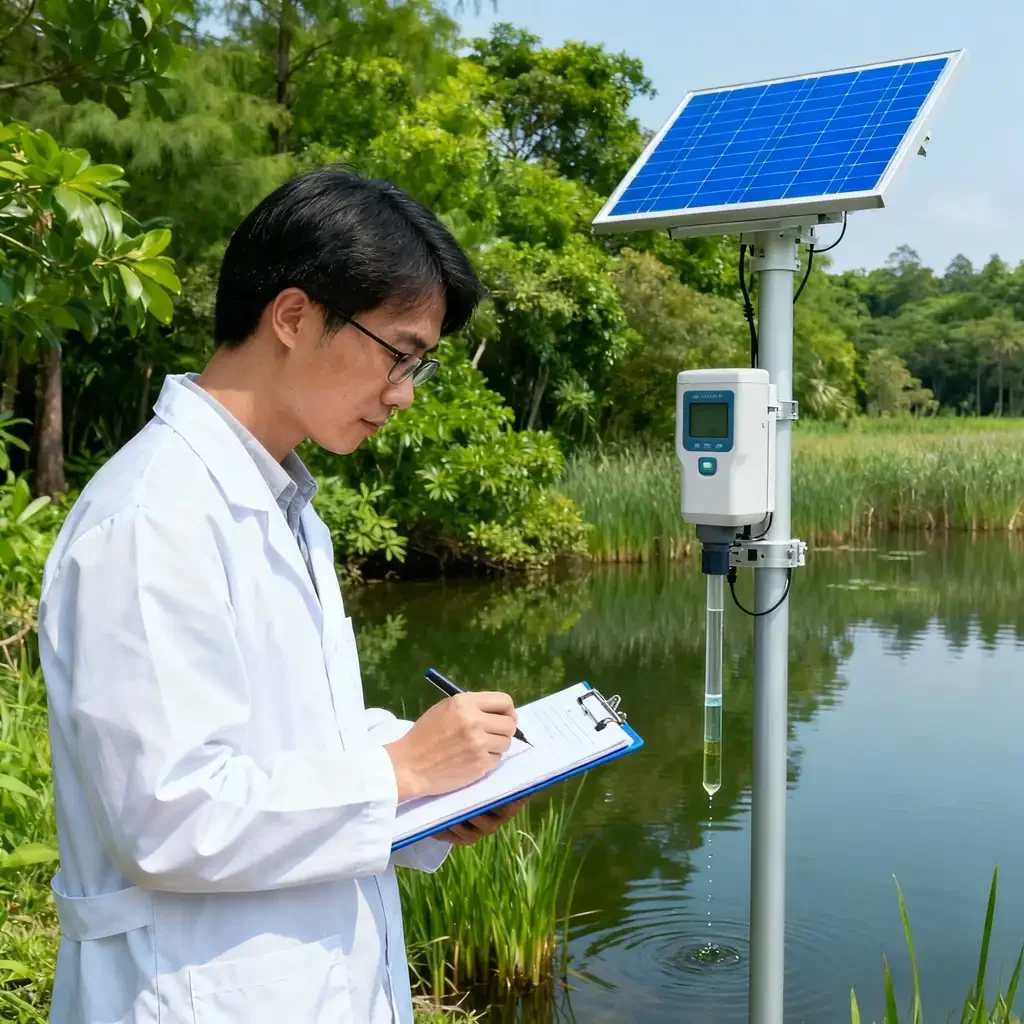
Ecological Environment

Laboratory instruments are key to ecological monitoring and pollution control. Multi-parameter water detectors quickly measure water indicators (COD, ammonia nitrogen, heavy metals) to assess pollution levels; air samplers paired with gas chromatographs analyze air VOCs and particulate matter for air quality monitoring. Meanwhile, soil nutrient rapid testers detect soil nitrogen, phosphorus, potassium and heavy metals, providing data for soil remediation and ecological protection.

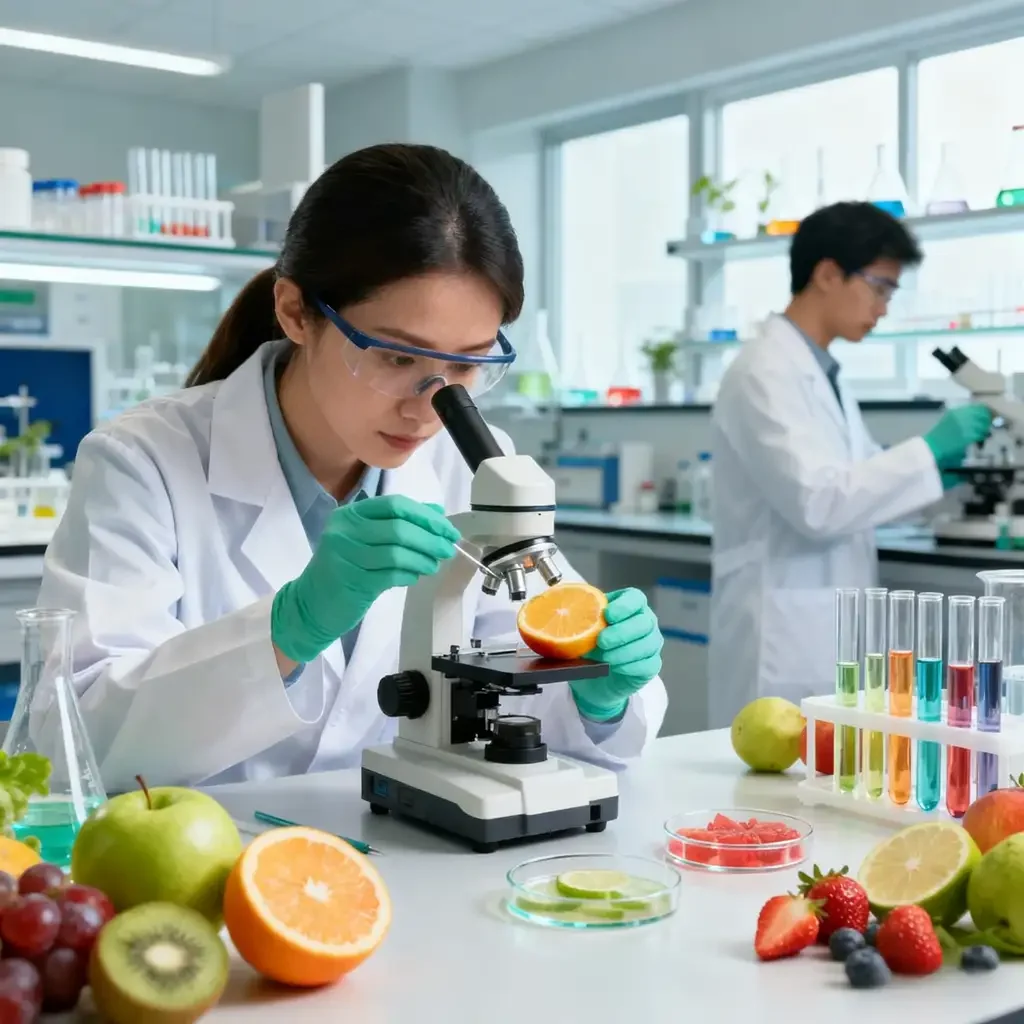
Food Nutrition

In the food nutrition industry, laboratory instruments shoulder dual duties of nutritional analysis and safety testing. The Kjeldahl nitrogen analyzer accurately determines food protein content, while HPLC detects vitamins and food additives (e.g., preservatives) to support nutritional labeling and formula optimization. Meanwhile, microbial incubators culture and count harmful bacteria (e.g., Salmonella), and atomic fluorescence spectrometers detect heavy metals (e.g., mercury, arsenic), ensuring food safety and compliance with national standards.
brightened-image-remove-photos (6)
brightened-image-remove-photos (5)

Industrial Materials

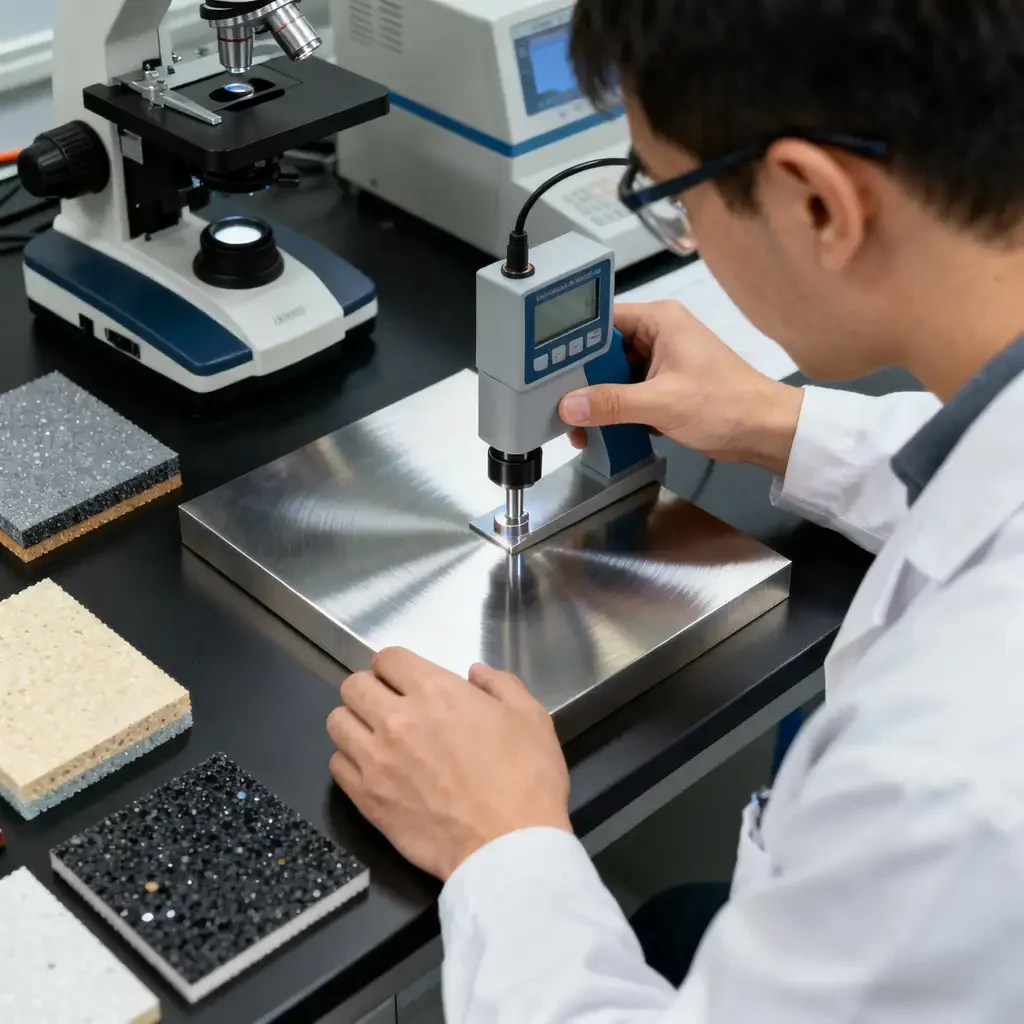
Laboratory instruments are the core support for industrial material R&D and quality control. X-ray Diffractometers (XRD) analyze material crystal structures to aid the design of new alloys and composites; electronic universal testing machines test materials’ tensile/compressive strength to meet industrial strength standards. Scanning Electron Microscopes (SEM) observe material micro-morphology, detect surface defects, and support optimizing preparation processes and product stability.

Our Service Level Agreement clients receive:

24/7 technical support

Reply within 1 hour after contact

Timely reporting of SMEs

Bonded spare parts replacement within 7 days

Built-in upgrade path with full lifecycle support

Maximize asset availability